Neurology Courses
Neurology courses can help you learn about the nervous system, brain functions, neurological disorders, and diagnostic techniques. You can build skills in patient assessment, neuroimaging interpretation, and treatment planning for various conditions. Many courses introduce tools like EEG and MRI equipment, as well as software for analyzing neurological data, that support understanding brain activity and diagnosing disorders.
Popular Neurology Courses and Certifications
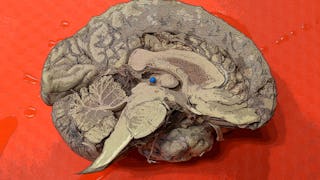
The University of Chicago
Skills you'll gain: Sensory Systems Analysis, Neurology, Psychology, Physiology, Life Sciences, Anatomy, Behavioral Health, Electrophysiology, Human Musculoskeletal System, Blood Pressure, Mental Health Diseases and Disorders, Language Disorders, Biology
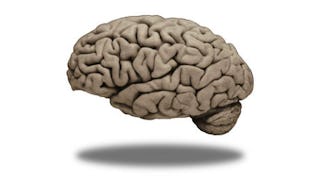
Duke University
Skills you'll gain: Sensory Systems Analysis, Neurology, Physiology, Anatomy, Life Sciences, Electrophysiology, Cell Biology, Psychology, Pathology, Molecular Biology, Substance Abuse
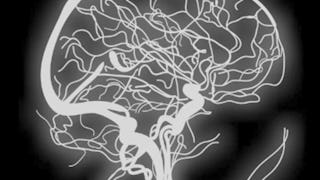
Johns Hopkins University
Skills you'll gain: Magnetic Resonance Imaging, Neurology, Medical Imaging, Anatomy, Radiology, Experimentation, Research Design, Psychology, Image Analysis, Hemodynamics, Medical Terminology, Biochemistry
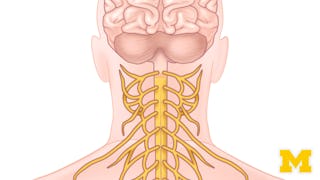
University of Michigan
Skills you'll gain: Sensory Systems Analysis, Anatomy, Neurology
Johns Hopkins University
Skills you'll gain: Magnetic Resonance Imaging, Neurology, Medical Imaging, Anatomy, Image Analysis, Data Analysis, Correlation Analysis, Data Manipulation, R (Software), Radiology, Experimentation, Research Design, Statistical Analysis, Image Quality, Psychology, Advanced Analytics, Network Analysis, R Programming, Statistical Methods, Statistics

What brings you to Coursera today?
Skills you'll gain: Neurology, Sensory Systems Analysis, Electrophysiology, Anatomy, Physiology, Pathology, Endocrinology, Clinical Assessment, Clinical Practices, Diagnostic Tests
Johns Hopkins University
Skills you'll gain: Sensory Systems Analysis, Marketing Psychology, Influencing, Case Studies, Persuasive Communication, Advertising, Marketing Communications, Consumer Behaviour, Decision Making, Marketing Effectiveness, Neurology, Behavioral Economics, Marketing, Psychology, Anatomy
Niel Asher Education
Skills you'll gain: Manual Therapy, Patient Evaluation, Neurology, Rehabilitation, Physical Therapy, Pain Management, Exercise Therapy, Clinical Assessment, Meditation & Breathwork, Anatomy, Respiration, Cognitive Behavioral Therapy, Patient Education And Counseling, Physiology, Athletic Training, Stress Management, Mental Health Therapies
University of Cambridge
Skills you'll gain: Childhood Education and Development, Human Learning, Child Development, Psychology, Empathy & Emotional Intelligence, Sensory Systems Analysis, Teaching, Decision Making, Learning Theory, Instructional Strategies, K-12 pedagogy, Pedagogy, Learning Strategies, Developmental Disabilities, Empathy, Neurology, Magnetic Resonance Imaging, Electrophysiology, Human Development, Decision Intelligence

Utrecht University
Skills you'll gain: Child Development, Human Development, Systems Thinking, Kinesiology, Learning Theory, Psychology, Research, Neurology, Research Methodologies, Biology

University of Minnesota
Skills you'll gain: Pharmacotherapy, Pain Management, Pharmacology, Pharmacy, Pharmaceuticals, Clinical Pharmacy, Patient-centered Care, Medical Prescription, Mental and Behavioral Health, Life Sciences, Neurology, Molecular Biology, Substance Abuse, Human Musculoskeletal System, Sensory Systems Analysis, Physiology, Biochemistry, Research, Critical Thinking and Problem Solving, Science and Research

Skills you'll gain: Obstetrics And Gynecology, Anatomy, Gynecology, Human Musculoskeletal System, Nephrology, Child Health, General Surgery, Urology, Physiology, Orthopedics, Childbirth, Maternal Health, Endocrinology, Kinesiology, Neurology, Capillary, Pathology, Hemodynamics, Sensory Systems Analysis, Cell Biology
What brings you to Coursera today?
Best free Neurology courses
High-quality free Neurology courses you can start today.
- Understanding the Brain: The Neurobiology of Everyday LifeThe University of ChicagoBeginner1 - 3 MonthsFree
- Medical NeuroscienceDuke UniversityAdvanced3 - 6 MonthsFree
- Understanding child development: from synapse to societyUtrecht UniversityBeginner1 - 3 MonthsFree
Best Neurology courses from Johns Hopkins University
Top-rated Neurology courses offered by Johns Hopkins University on Coursera.
- Fundamental Neuroscience for NeuroimagingJohns Hopkins UniversityBeginner1 - 4 WeeksJohns Hopkins University
- Neuroscience and NeuroimagingJohns Hopkins UniversityIntermediate3 - 6 MonthsJohns Hopkins University
- Foundations of NeuroscienceJohns Hopkins UniversityIntermediate1 - 3 MonthsJohns Hopkins University
Best Neurology certificate programs
Earn a certificate in Neurology from top universities and companies.
- The science of mind and decision makingUniversity of CambridgeBeginner3 - 6 MonthsSpecialization
- Synaptic PharmacologyUniversity of MinnesotaIntermediate1 - 3 MonthsSpecialization
- Medical School Anatomy and Physiology IILecturioIntermediate3 - 6 MonthsProfessional Certificate










